Why "Ships Are the New Chips": America’s Big Comeback at Sea (and What It Means for India Too!)


America is witnessing a strategic maritime renaissance not seen since World War II. The Trump administration has launched its most ambitious industrial policy for shipbuilding in decades, aiming to counter China's dominance across the global maritime, logistics, and shipbuilding sectors. This effort is part of a broader strategy to secure critical supply chains, bolster economic and national security, and re-establish American influence, especially in the rapidly changing Arctic.
America’s Race to Rebuild its Fleet
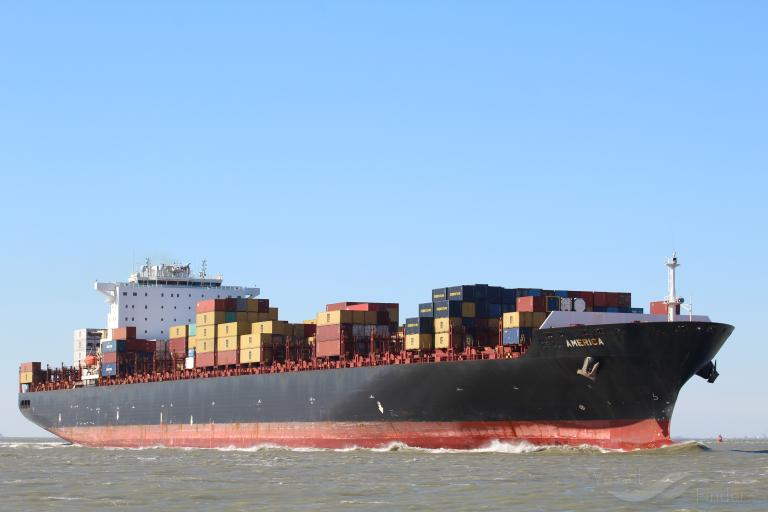
Past to Present: Once a shipping giant, America’s shipyards now play catch-up, while China leads with the world’s biggest navy and merchant fleet.
Why Now? National security, the economy, and control over the world’s trade routes are all at stake.
Big Moves: In 2025, the Trump administration kicked off a huge maritime program to build more ships, modernize shipyards, and bring in better technology and jobs.
Strategic Focus on the Arctic
Geopolitical Importance: The Arctic is no longer a remote, frozen frontier but a focal zone for global competition, where retreating ice is opening new shipping lanes and access to untapped resources. Russia and China have already strengthened their presence in the region with naval exercises and new infrastructure.
U.S. Response: Reviving American Arctic strategy is central, with the administration prioritizing icebreaker construction and joint projects with Finland and Canada. The goal is to increase security, open commercial lanes, and lay new, American-policed fiber optic cables traversing the region
Quick Numbers: U.S., China, and India
Country | Commercial Ships (2025) | Naval Fleet Size | Share of Global Shipbuilding |
U.S. | 185 | 296 | ~0.1% |
China | 5,500+ | Nearly 400 | 55%+ |
India | About 1,500 | 150+ | ~1.3% |
India's Shipping Ambitions
India, too, is making waves on the global maritime stage!
Sagarmala Project: The Indian government launched this massive program to modernize its ports, boost shipbuilding, and create millions of jobs.
Strategic Location: Situated at the heart of Asia’s busiest sea routes, India is building up its navy and shipyards to secure trade and project power in the Indian Ocean.
Make in India: India’s government wants more ships built at home, and Indian companies are starting to win major orders—from coastal cargo ships to warships and even green vessels.
Why India’s Ships Matter Too

Trade Lifeline: Over 90% of India’s international trade by volume moves by sea. A strong fleet is crucial for economic growth and food, fuel, and supply security.
Blue Economy Booming: Indian shipyards like Cochin Shipyard and Mazagon Dock have delivered everything from large aircraft carriers to supertankers and will play key roles as India grows as a global economic power.
Regional Security: With pirates, chokepoints, and rival navies active near its shores, India’s maritime investments help keep its sea lanes and neighbors safe.
Fun and Fascinating Facts
Big Ships, Big Impact: A single large container ship can carry 24,000 containers—that’s like moving an entire shopping mall across the ocean!
Green Ships: Indian shipyards are now designing eco-friendly ships that run on LNG and even solar power.
Joint Ventures: India teams up with nations like Japan, South Korea, and France for tech transfers, training, and joint exercises—similar to how the U.S. works with its allies.
The World’s New Maritime “Great Game”
It’s clear—ships are making a comeback worldwide, not just in America. China dominates numbers, the U.S. is rebuilding muscle, and India is rising fast as a powerhouse in shipbuilding and naval strength.
Why It Matters for All of Us
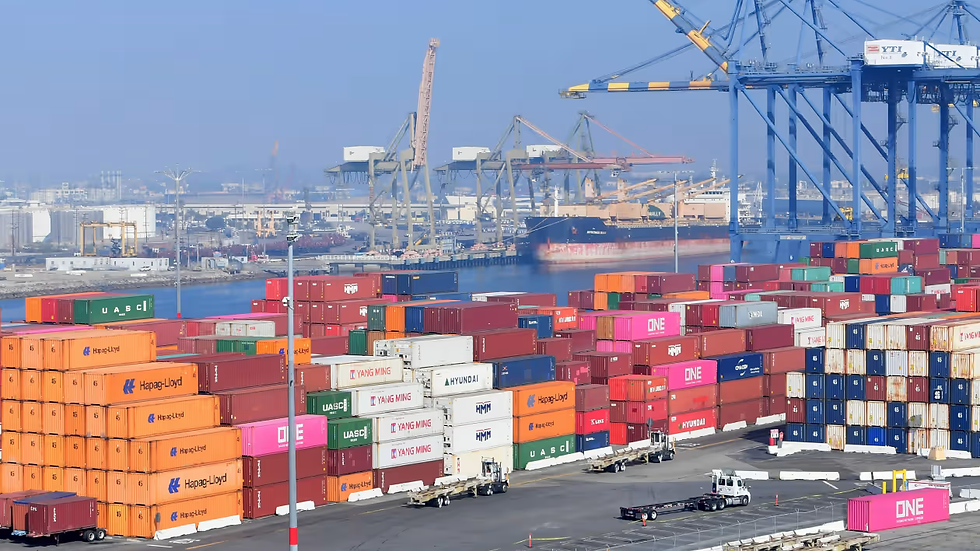
Cheaper shipping means cheaper goods and stronger economies.
More ships mean more jobs—welders, engineers, sailors, port workers, and techies!
Strong navies and merchant fleets keep vital trade routes open, protect from piracy, and ensure national independence.
“If the 20th century belonged to those who ruled the skies, the 21st century belongs to those who command the waves.”
As America, China, and India pour resources, technology, and talent into their shipping industries, ships are—quite literally—carrying the future.
Author