The Sadans of DMET: Cradles of Discipline, Innovation and Brotherhood

Updated: Aug 5, 2025
A Legacy of Learning, Discipline and Scientific Excellence
Directorate of Marine Engineering Training (DMET) currently known as Indian Maritime University Kolkata Campus, stands as a beacon of excellence in maritime education. Established in 1949, DMET was envisioned as a rigorous, residential, quasi-military institution, committed to producing not just marine engineers but leaders who could power the global shipping industry.
Central to life at DMET were its Ten Sadans, each named after a towering figure in science and engineering. These Sadans were more than just living quarters; they were cadets crucibles of their character and sanctuaries of camaraderie. The names that adorned these Sadans were chosen not only to inspire academic curiosity but also to remind cadets of the values of discipline, innovation and persistence that defined those great scientists.
Below is a tribute to these Ten Sadans, their namesakes, and the spirit they embody:
1. Bose Sadan
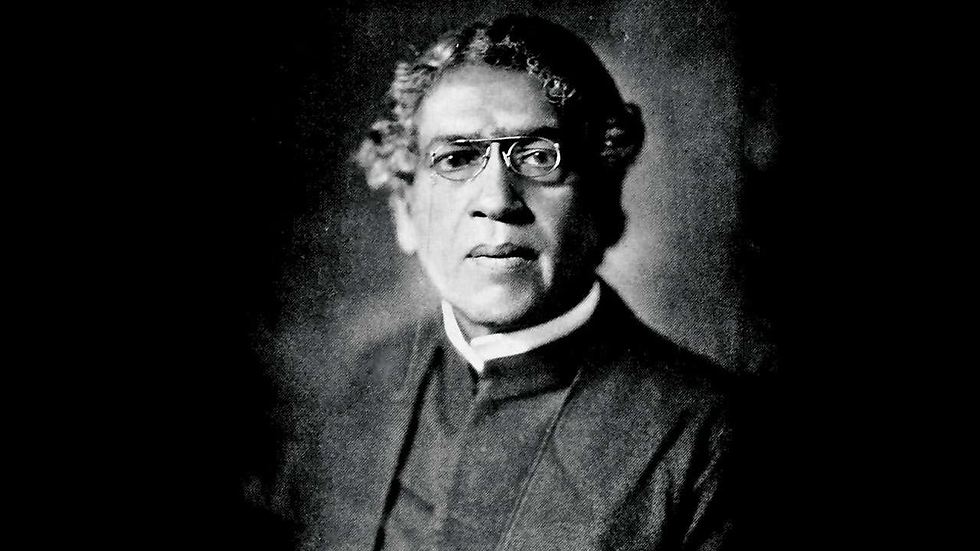
Named after Sir Jagadish Chandra Bose, India’s polymath who pioneered wireless communication and plant biophysics. Bose Sadan reflects the spirit of multidisciplinary learning and reminds cadets that innovation often lies at the intersection of fields. His legacy of indigenous scientific advancement resonates strongly with India's aspirations of self-reliance.
2. Diesel Sadan
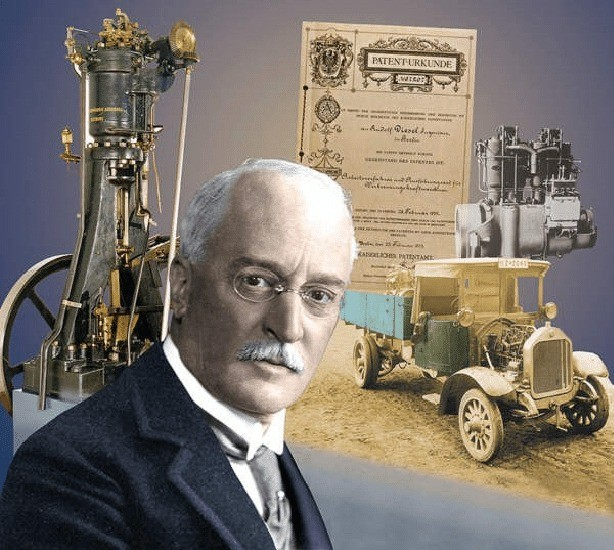
Named after Rudolf Diesel, the inventor of the compression ignition engine. The Diesel Cycle, fundamental to marine propulsion, is at the heart of marine engineering education. Diesel Sadan stands as a tribute to efficiency, endurance, and mechanical ingenuity.
3. Edison Sadan
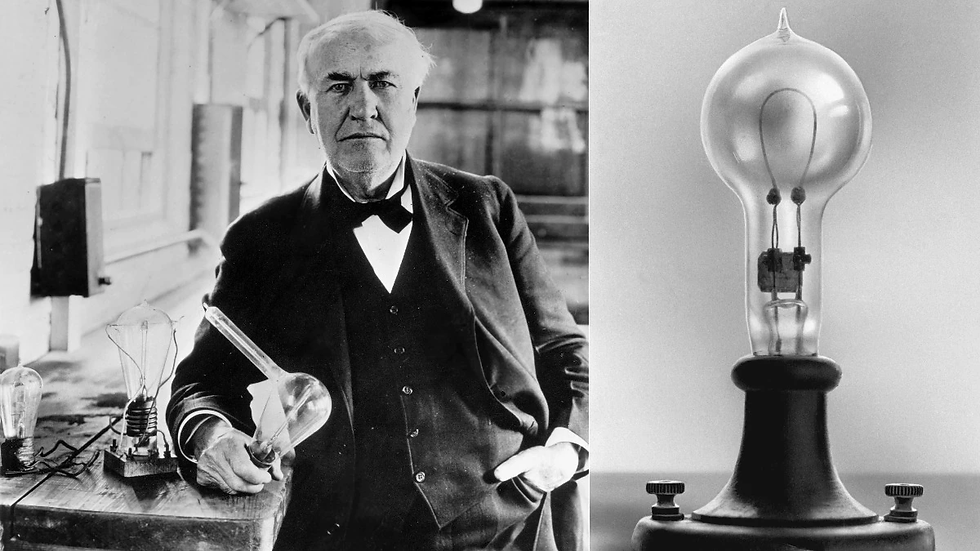
Named after Thomas Alva Edison, one of history's most prolific inventors. Edison Sadan represents creativity, resilience, and applied science. From lighting ships to powering automation systems, his legacy shapes the very tools cadets use today.
4. Faraday Sadan
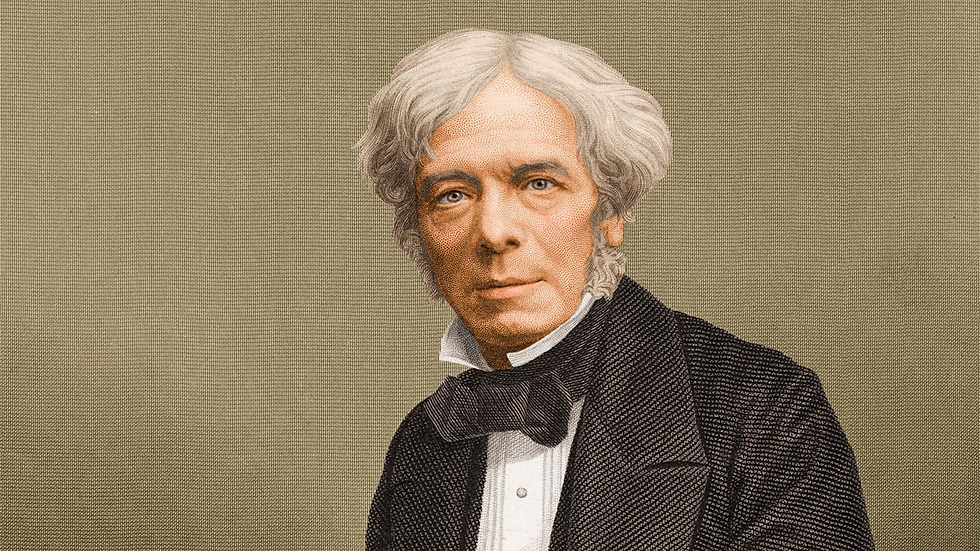
Named after Michael Faraday, the pioneer of electromagnetism and electrochemistry. Faraday’s work underpins marine electrical systems, from generators to motors. Faraday Sadan symbolizes the bridge between theoretical science and shipboard application.
5. Froude Sadan

Named after William Froude, the British hydrodynamicist who revolutionized ship design by introducing the Froude Number and scale model testing. Froude Sadan celebrates fluid dynamics and the precision behind every vessel’s form and performance.
6. Marconi Sadan
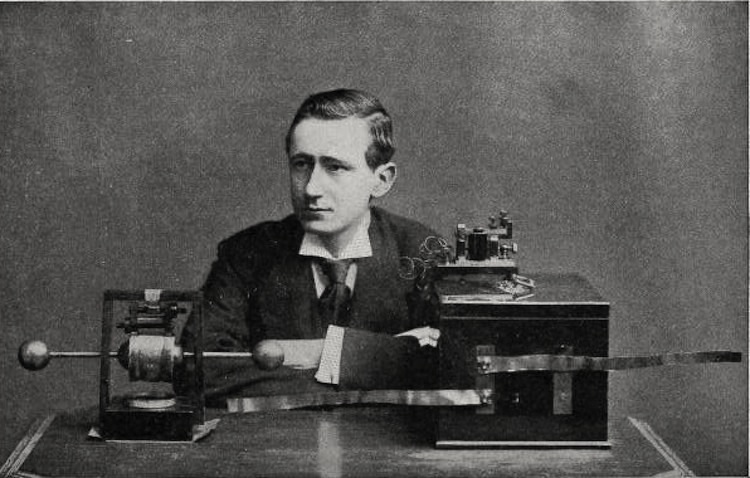
Named after Guglielmo Marconi, the father of wireless communication. Marconi Sadan is a tribute to maritime safety and connectivity — vital aspects of seafaring life, from distress signals to modern satellite navigation.
7. Newton Sadan

Named after Sir Isaac Newton, whose laws of motion and gravitation form the backbone of all mechanical sciences. Newton Sadan instills the importance of fundamental physics, essential to every cadet’s understanding of machinery and motion.
8. Parson Sadan
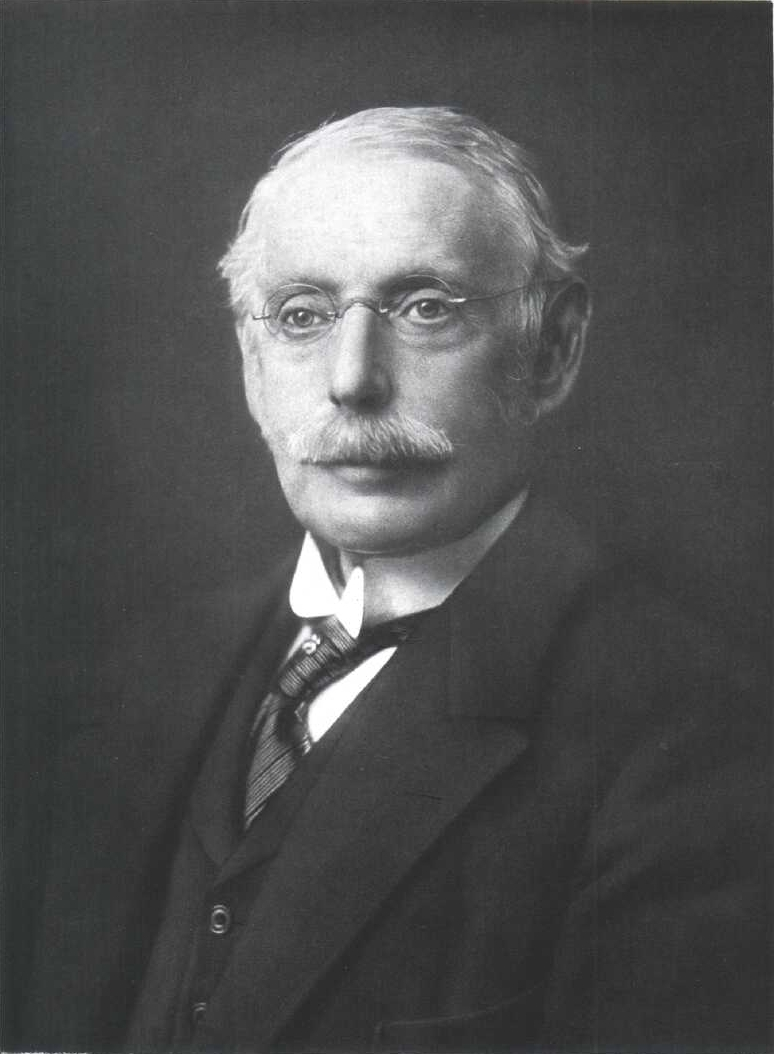
Named after Sir Charles Parsons, the inventor of the multi-stage steam turbine. Parsons' design powered the naval and commercial fleet for much of the 20th century, making Parson Sadan a symbol of engineering innovation that changed the world.
9. Raman Sadan

Named after Sir C.V. Raman, India’s Nobel Laureate in Physics. While optics isn't a direct part of the marine syllabus, Raman Sadan is a monument to Indian scientific excellence, reminding cadets to pursue knowledge fearlessly and with originality.
10. Rankine Sadan
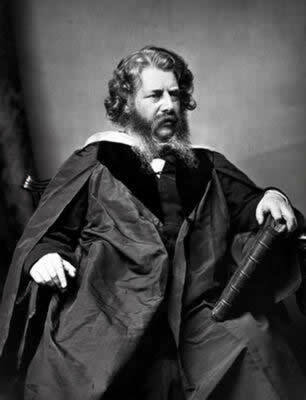
Named after William Rankine, the co-founder of thermodynamics. The Rankine Cycle forms the backbone of power generation in ships. Rankine Sadan stands for the intellectual precision and discipline that define marine engineering.
We Shared Legacy
Each cadet learned and evolved within these Sadans. They were not just places to rest, but sanctuaries where dreams were forged, skills were honed, and lifelong bonds were built. From hammering in the fitting shop to decoding complex thermodynamic cycles, from learning the discipline of the dormitory to representing one’s Sadan in spirited competitions every experience contributed to the making of a marine engineer.
As alumni reflect on their years within these Sadans, and as juniors walk their corridors today, let them remember that they are part of a glorious lineage. The Ten Sadans are more than names. They are the beating heart of IMU Kolkata. They are a reminder that from these walls emerged engineers who went on to power the world.
We are DMETians.. And we carry the legacy of the Sadans wherever we go.
Which Sadan Do You Belong To? (For the Current Batch of DMET)
Your Roll Number (last digit) determines your Sadan:
Last Digit | Sadan Name |
1 | Bose Sadan |
2 | Diesel Sadan |
3 | Edison Sadan |
4 | Faraday Sadan |
5 | Froude Sadan |
6 | Marconi Sadan |
7 | Newton Sadan |
8 | Parson Sadan |
9 | Raman Sadan |
0 | Rankine Sadan |
Example: If your DMET Roll Number ends with 71, then you belong to Bose Sadan currently.
A Look Back: 1979–83 Sadan Allocation
The system has evolved over time. During the 1979–83 batch, Sadans were assigned as follows:
Last Digit | Sadan Name |
7 | Bose |
8 | Diesel |
9 | Edison |
0 | Faraday |
1 | Froude |
2 | Marconi |
3 | Newton |
4 | Parson |
5 | Raman |
6 | Rankine |
“I, 2822, was in Marconi. Became Newton CC, but stayed put in Marconi Sadan senior hostel.” — Mr. Rajiv Ramanujam Sir, DMET Alumnus, Batch of 1979–83
We Shared Legacy Together

Each cadet lived, learned and evolved within these Sadans. They were not just places to rest but sanctuaries where dreams were forged, skills were honed, and lifelong bonds were built. From hammering in the fitting shop to decoding complex thermodynamic cycles, from learning the discipline to representing one's Sadan in spirited competitions and every experience contributed to the making of a marine engineer.
As alumni reflect on their years within these Sadans and as juniors walk their corridors today, let them remember that they are part of a glorious lineage. The Ten Sadans are more than names. They are the beating heart of DMET. They are a reminder that from these walls emerged engineers who went on to power the world.
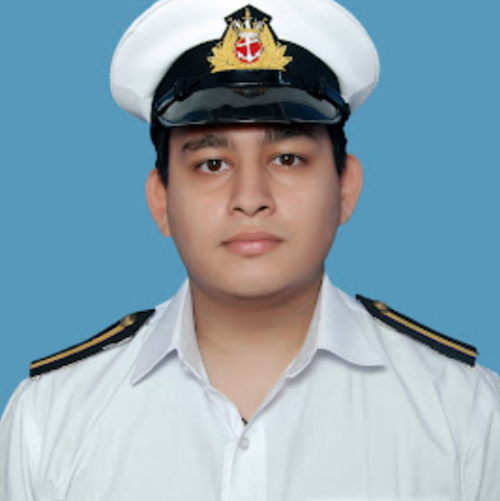 |
Cadet Kush Rana |
Cadet Kush Rana is a Marine Engineering cadet at the Indian Maritime University, Kolkata (Erstwhile DMET). He is the founder of The Marine Times, a maritime news platform, and serves as Associate and Human Resource Head at Vayuweg Makar Motors Private Limited, which is working on India’s first indigenous marine engine. He is also a member of RINA and IMarEST, actively contributing to the maritime engineering field. |


